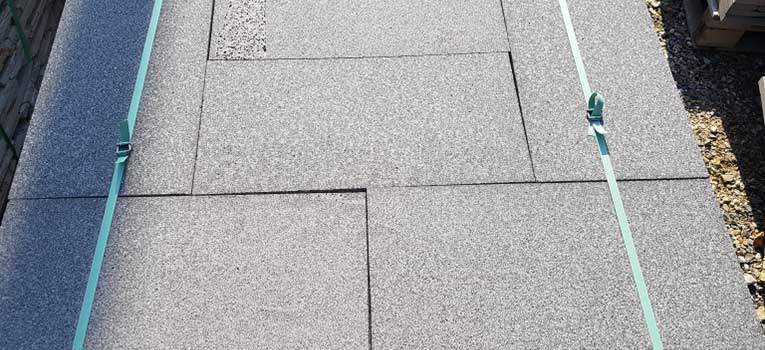
Natural stone is a popular material used in construction, landscaping, and various design applications due to its aesthetic appeal and durability. Here are some key properties of natural stone:
### 1. **Durability**
- **Hardness**: Natural stones like granite and quartzite are extremely hard and resistant to abrasion.
- **Weather Resistance**: Many stones can withstand harsh weather conditions without significant wear.
- **Impact Resistance**: Stones like basalt and granite can endure impacts and resist chipping.
### 2. **Aesthetic Appeal**
- **Variety of Colors and Patterns**: Natural stones come in a wide range of colors and patterns, making them versatile for design.
- **Unique Textures**: Each stone has a unique texture and finish, contributing to its aesthetic qualities.
### 3. **Chemical Properties**
- **Reactivity**: Some stones (like limestone and marble) can react with acidic substances, leading to etching or damage.
- **Porosity**: Different types of stones have varying degrees of porosity, affecting their vulnerability to staining or water absorption.
### 4. **Thermal Properties**
- **Heat Resistance**: Natural stones generally can withstand high temperatures, making them suitable for fireplaces and kitchens.
- **Thermal Conductivity**: Some stones can absorb and retain heat, offering comfort in colder environments.
### 5. **Sound Properties**
- **Acoustic Performance**: Natural stones have good sound-dampening properties, making them suitable for certain architectural applications.
### 6. **Eco-friendliness**
- **Natural Material**: Being a natural resource, stone is often considered environmentally friendly compared to synthetic materials.
- **Recyclability**: Many natural stones can be re-used or recycled in new construction projects.
### 7. **Maintenance Requirements**
- **Cleaning**: Natural stones often require specific cleaning agents and care to maintain their appearance.
- **Sealing**: Some types of stone may need to be sealed to protect against staining and water absorption.
### 8. **Weight**
- **Density**: Natural stone can be heavy, which must be considered in design and construction planning.
### 9. **Workability**
- **Cutting and Shaping**: Some stones are easier to work with than others. For example, softer stones like limestone can be carved more easily than harder stones like granite.
### 10. **Moisture Resistance**
- **Water Absorption**: The porosity of the stone affects its water absorption rates. Some stones require sealing to prevent moisture-related issues.
### Conclusion
The choice of natural stone depends on its properties and the specific requirements of the project. Understanding these properties helps in making informed decisions regarding its application in design and construction.