Arranging a garden involves planning, design, and execution. Here’s a step-by-step guide to help you through the process:
### 1. Assess Your Space
- **Measure the Area:** Take accurate measurements of your garden space, noting the shape and dimensions.
- **Observe Sunlight:** Identify areas of your garden that receive full sun, partial shade, or full shade throughout the day.
- **Soil Quality:** Test your soil for pH and nutrient levels to determine what amendments might be necessary.
### 2. Define Your Goals
- **Purpose:** Decide what you want your garden to achieve—such as aesthetic appeal, food production, relaxation, or wildlife attraction.
- **Style:** Consider your aesthetic preferences (e.g., formal, cottage, contemporary, or wildflower gardens).
### 3. Create a Design Plan
- **Sketch Your Layout:** Create a rough design on paper, considering pathways, flower beds, vegetable plots, and seating areas.
- **Plant Selection:** Choose plants based on your climate zone, soil type, and the garden's sunlight conditions. Consider height, bloom time, and color to ensure a visually appealing arrangement.
- **Group Plants:** Arrange plants in groups rather than individually. Consider using the “thriller, filler, spiller” method for container gardens: a dramatic centerpiece (thriller), medium-height plants (filler), and trailing plants (spiller).
### 4. Consider Key Elements
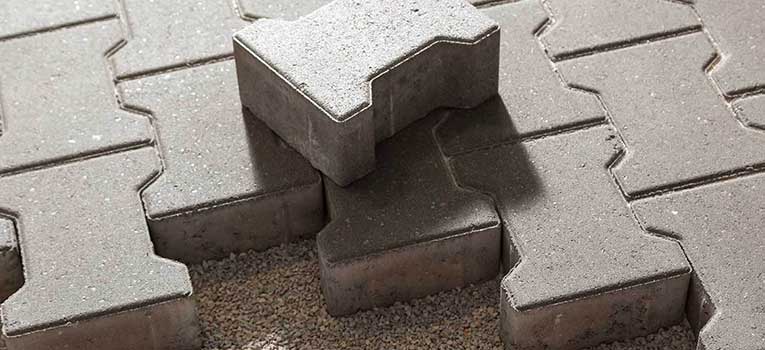
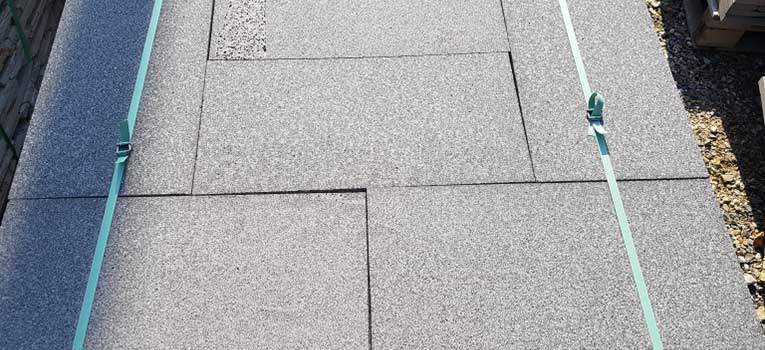
- **Pathways:** Define pathways for access to different areas of the garden. Use materials like gravel, stone, or mulch.
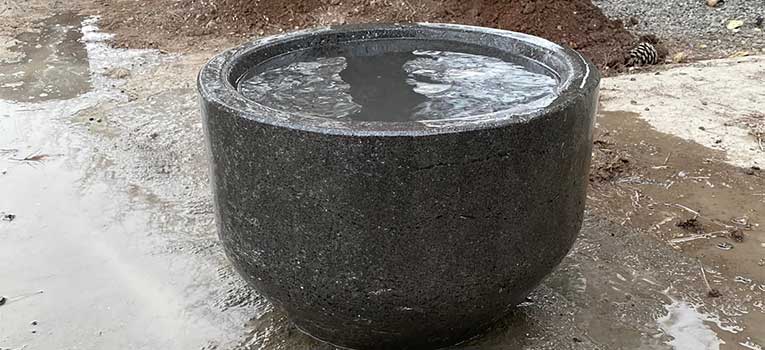
- **Focal Points:** Incorporate focal points such as a bench, sculpture, birdbath, or unique plant to draw the eye.
- **Vertical Space:** Consider vertical gardening techniques with trellises or wall planters for climbing plants.
### 5. Prepare the Site
- **Clear the Area:** Remove any existing vegetation, debris, and weeds.
- **Amend Soil:** Improve soil fertility with organic matter (compost, well-rotted manure) based on your soil test results.
- **Create Garden Beds:** Define flower or vegetable beds, ensuring proper drainage.
### 6. Planting
- **Timing:** Follow the planting calendar for your region, considering frost dates and seasonal requirements.
- **Planting:** Dig holes based on the plant size, following spacing recommendations to allow for mature growth.
- **Watering:** Water thoroughly after planting to help settle the soil and establish roots.
### 7. Maintenance
- **Mulching:** Apply mulch to help retain moisture, suppress weeds, and improve soil health.
- **Watering Schedule:** Establish a regular watering routine, adjusting based on rainfall.
- **Fertilizing:** Depending on the plants' needs, fertilize during the growing season.
- **Pruning and Deadheading:** Regularly prune and deadhead plants to encourage growth and blooming.
### 8. Evaluate and Adapt
- **Observe Growth:** Monitor your garden's growth and make adjustments as necessary, whether it’s adding new plants, changing layouts, or altering care methods.
- **Seasonal Changes:** Adapt your garden care for seasonal changes, like preparing for winter or refreshing the garden in spring.
### Additional Tips
- **Consider Wildlife:** Incorporate native plants and safe habitats to attract beneficial insects and local wildlife.
- **Sustainability:** Explore eco-friendly gardening practices, such as composting, using rain barrels, or organic gardening methods.
By taking the time to plan and thoughtfully arrange your garden, you can create a beautiful space that meets your needs and brings enjoyment throughout the seasons.