Water conservation is increasingly important in landscaping, especially in arid regions or areas facing drought conditions. Here are several landscaping methods that help save water:
1. **Xeriscaping**: This method involves designing landscapes that require minimal irrigation by selecting drought-resistant plants, using rocks, mulch, and native plants that are well adapted to the local climate.
2. **Native Plants**: Incorporating native plants into your landscape can significantly reduce the need for irrigation, as these plants are adapted to local rainfall and soil conditions.
3. **Drip Irrigation**: This efficient watering method involves using a system of tubing and emitters to deliver water directly to the root zone of plants, minimizing evaporation and runoff.
4. **Soil Improvement**: Adding organic matter or compost to improve soil structure can increase its moisture retention capability, allowing plants to use available water more effectively.
5. **Mulching**: Applying a layer of mulch around plants helps retain soil moisture, suppress weeds, and regulate soil temperature, which can reduce the need for watering.
6. **Smart Irrigation Systems**: Investing in irrigation controllers that utilize weather data or soil moisture sensors can optimize watering schedules and reduce water waste.
7. **Rainwater Harvesting**: Collecting rainwater from roofs or pavement in barrels can provide an additional water source for irrigation, reducing the dependency on municipal water supplies.
8. **Group Planting**: Planting similar types of plants with similar watering needs together (hydrozoning) can help ensure that water is used efficiently and effectively.
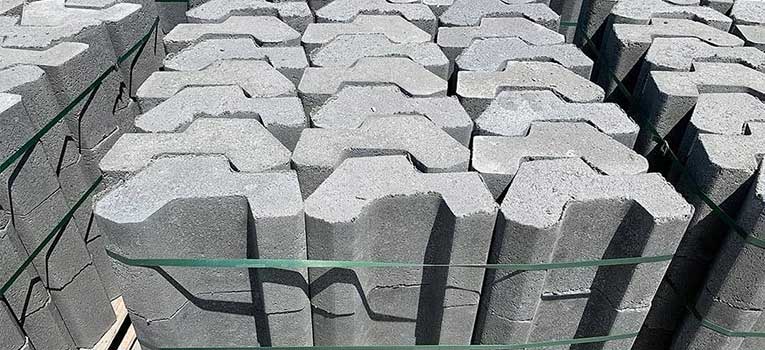
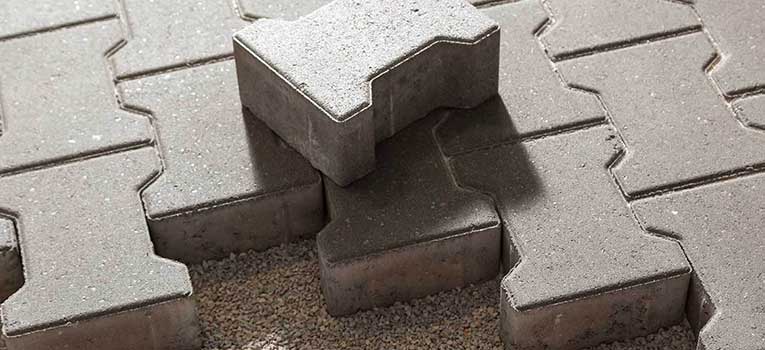
9. **Permeable Paving**: Using permeable materials for walkways and driveways allows rainwater to infiltrate the ground rather than running off, helping to recharge groundwater supplies.
10. **Swales and Rain Gardens**: Designing landscapes with swales or rain gardens can help manage stormwater runoff, allowing it to infiltrate into the soil and irrigate plants naturally.
11. **Drought-Tolerant Turf**: Choosing grass types that require less water, such as Bermuda or fescue, or converting parts of your lawn into mulch beds or hardscapes can minimize water use.
12. **Pruning and Plant Care**: Properly maintaining plants through pruning and pest management helps reduce stress and water needs, leading to healthier plants that require less irrigation.
By implementing these methods, homeowners and landscapers can create beautiful landscapes while conserving water and promoting sustainability.